

The simple answer is both!
And both are intrinsically linked. Exercising and training can impact our mental health for the better, and when we feel good in ourselves with our mental health, we have a greater ability to go out there and exercise. Sounds good right? Unfortunately, it is not always as easy as that. I want to take a quick look at how only recently in society, mental health has been addressed, and how unfortunately mental health can still be stigmatized whereas physical ability can be revered.
The Madhouses Act 1774 was the first legislation in the United Kingdom addressing mental health. Privately funded lunatic asylums were widely established during the nineteenth century, and then mental health services were not integrated with physical health services when the NHS was established in 1948. In 1959, more than a decade after the NHS was established, Parliament passed The Mental Health Act. Even Child and Adolescent mental health Services (CAMHS) was only established in 1998.
On World mental Health Day 2018, the Prime Minister Theresa May appointed Jackie Doyle-Price as the UK’s first suicide prevention minister. This occurred while the government hosted the first ever global mental health summit, going to show how only recently mental health has started to take its rightful place.
So, what is ‘Health’? According to the World Health Organization (WHO) Health is a state of complete physical, mental, and social well-being and not merely the absence of disease or infirmity.
The term ‘physical health’ refers to being physically fit and healthy and refers to the ability to perform aspects of sports, occupations, and daily living.
‘Mental health’ refers to cognitive, behavioral, and emotional well-being. It is all about how people think, feel, and behave. So what about this link between the two?

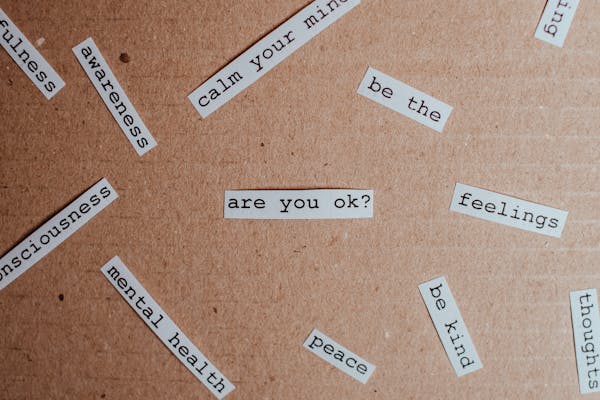
You can find many articles out there on the link between good mental and physical health. The Sage Neuroscience Centre have written about ‘The Importance of Physical Health for Better Mental Health’ which as we know, when we are more active this can impact our mental health for the better.
In Satista.com a survey was published about the percentage of respondents worldwide who felt mental health was more important than physical health as of 2020. In 2020, around 46 percent of individuals worldwide aged 15 years and older stated they thought mental health was more important than physical health, while another 46 percent felt mental health was just as important as physical health. This statistic illustrates the perceived importance of mental health compared to physical health among individuals worldwide in 2020.
Opinions and articles and statistics galore ‘out there,’ but common sense has us knowing that both are good for us.
But what about people with multiple chronic painful conditions that affect their potential exercise regime? And what about people who know they went through trauma as a child or even later in life who simply ‘do not want to go there.’
We all have choices in life, and we should all make the choices that we believe are right for us at that time, with a view to staying open to change. I am one of those people in the first sentence. I know training is the best thing for me, but when I attempt to ‘train’ I can go into a downward slope for several days whilst my body recovers, and this affects my mental health as I feel ‘let down’ by my body and also unable to do the other things in my life that are really important to me (my job, my family etc.)
I know of other people who belong to the second sentence. Training is their escapism from this, but as we know, what you do not feel you cannot heal, and the body does compensate for this in ways of auto-immune diseases and other factors later in life (see The Body keeps the Score and The Myth of Normal, great books outlining this)
So, what is the solution to this? You must do what you feel is right for you. These are your choices, your mind, your body. There are people out there who give excuses, and there are people out there who genuinely want to do either of these things and find it extremely difficult.
And remember, as much as we can think differently, we all know ourselves better than anyone else out there (which is also the foundation of coaching) I have been lucky enough to have health professionals tell me I am the expert in my multiple diagnosis’s and I do know my body better than anyone else.
What should not happen is that anyone should be shamed for doing things their way, they will have their reasons, and these may change with time and circumstances. We should all support each other, with physical health choices and mental health choices. The professionals can guide us with their expertise, but the buck lies within ourselves, and if you feel that either one is not for you right now, then that is perfectly OK until you feel it is.
Here are some practical tips for maintaining both physical and mental health:
- Establish a Routine: Create a daily schedule that includes time for exercise, relaxation, work or study, and social activities. Consistency helps in managing stress and promotes overall well-being.
- Regular Exercise: Aim for at least 30 minutes of moderate exercise most days of the week. This could be walking, jogging, yoga, or any activity you enjoy. Exercise releases endorphins, which can boost mood and reduce stress.
- Healthy Eating: Fuel your body with nutritious foods like fruits, vegetables, whole grains, lean proteins, and healthy fats. Avoid excessive sugar, processed foods, and caffeine, as they can negatively impact both physical and mental health.
- Adequate Sleep: Prioritize getting 7-9 hours of quality sleep each night. Create a relaxing bedtime routine and ensure your sleep environment is comfortable and conducive to rest.
- Stress Management: Practice stress-reduction techniques such as deep breathing, meditation, mindfulness, or progressive muscle relaxation. Find activities that help you unwind and make time for them regularly.
- Stay Connected: Maintain strong relationships with friends and family members. Social support is crucial for mental health, so make time for meaningful interactions and seek help when needed.
- Set Realistic Goals: Break down larger tasks into smaller, manageable steps. Celebrate your achievements along the way, and don’t be too hard on yourself if things don’t go as planned.
- Limit Screen Time: While technology can be useful, excessive screen time can negatively impact both physical and mental health. Set boundaries around device usage and prioritize activities that promote well-being offline.
- Seek Professional Help: If you’re struggling to cope, don’t hesitate to reach out to a therapist, counselor, or healthcare provider. They can offer personalized support and guidance to help you navigate challenges more effectively.
- Practice Self-Care: Make time for activities that bring you joy and fulfillment, whether it’s reading, listening to music, spending time in nature, or pursuing a hobby. Taking care of yourself is essential for overall health and happiness.
Remember that maintaining physical and mental health is an ongoing process, and it’s okay to seek support and make adjustments as needed. Prioritize self-care and listen to your body and mind’s needs.
Taking care of yourself is important, and it doesn’t have to take a lot of time. Here are ten quick and effective self-care ideas that you can do in under 10 minutes, even if you have a busy life.
Check out the full article at https://novaracounsellingcoaching.com/2024/01/11/thriving-in-ten-quick-and-effective-self-care-ideas-in-under-10-minutes-for-busy-lives/.